Türk: Afghanistan must end oppression against women and girls
New York, February 26 (Hibya) - United Nations High Commissioner for Human Rights Volker Türk stated that the practices of the de facto authorities in Afghanistan have severe impacts, particularly on women and girls, and called for the withdrawal of death sentences, corporal punishments, and discriminatory regulations against women.
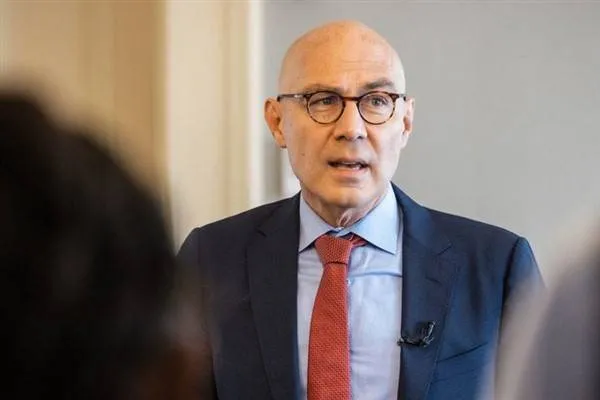
High Commissioner Türk described the human rights situation in Afghanistan as “a graveyard for human rights.”
He noted that the decrees and laws issued by the de facto authorities since 2021 have had an overwhelming impact, especially on women and girls. “A new decree signed last month by the Taliban leader defines various crimes and punishments that contradict Afghanistan’s international legal obligations. The decree, expected to enter into force soon, increases the number of offenses punishable by death. I call on the de facto authorities to withdraw this decree and align all legal regulations with their international obligations,” he said.
Türk emphasized that women and girls have been banned from access to secondary and higher education and most areas of employment, stressing that the current system constitutes a gender-based discriminatory regime.
He stated that since September 7, 2025, Afghan women, including UN personnel, have been prevented from entering UN premises across the country. “These restrictions are unprecedented and extremely alarming. Public executions continue in violation of international law. Afghan media operate under censorship and financial pressure. Broadcasting music and drama or publishing content deemed contrary to Afghan culture and the authorities’ interpretation of Sharia is prohibited. Women journalists face almost insurmountable obstacles in carrying out their profession,” he added.
Türk called on the de facto authorities to take five steps: lift discriminatory regulations against women, impose a moratorium on the death penalty, end arbitrary detentions, ensure full access to humanitarian aid, and remove restrictions on the media.
Europe Asia News
 Facebook
 Tweeter
 Whatsapp