Hybrid plasma propulsion system from a Turkish engineer
Sümeyye Yalçın, December 19 (Hibya) – It was announced that the new-generation engine technology developed by Senior Design Engineer İsmail Berber and previously introduced to the public is, contrary to popular belief, not “fuel-free,” but a hybrid system that harvests energy and a propulsive medium from the atmosphere and environmental inputs.

It was announced that the new-generation engine technology developed by Senior Design Engineer İsmail Berber and previously introduced to the public is, contrary to popular belief, not “fuel-free,” but a hybrid system that harvests energy and a propulsive medium from the atmosphere and environmental inputs. The technology, referred to as the “Plasma-Converted Jet Engine Generator Propulsion System,” combines electromagnetic, magnetohydrodynamic (MHD), and non-thermal plasma (NTP) principles within a single architecture compatible with existing laws of physics.
The developed system does not aim to create energy out of nothing; rather, it seeks to process molecules, phases, and energy present in the atmosphere and the environment to generate both thrust and electrical power. It is stated that this approach signifies the first time methods long present in the literature—such as hydrogen technologies, plasma actuators, magnetic flow control, and energy recovery—have been brought together in a multilayered and integrated structure.
Technical response to emissions and plasma debates
While there is a widespread public perception that plasma-based systems produce harmful emissions, the architecture developed by Berber does not include nuclear fission or fusion processes. The system does not produce radioactive isotopes, and the plasma operates entirely within a magnetically confined environment. Thanks to the plasma not coming into contact with any physical surface, it is stated that NOx and toxic byproducts observed in conventional jet engines do not form.
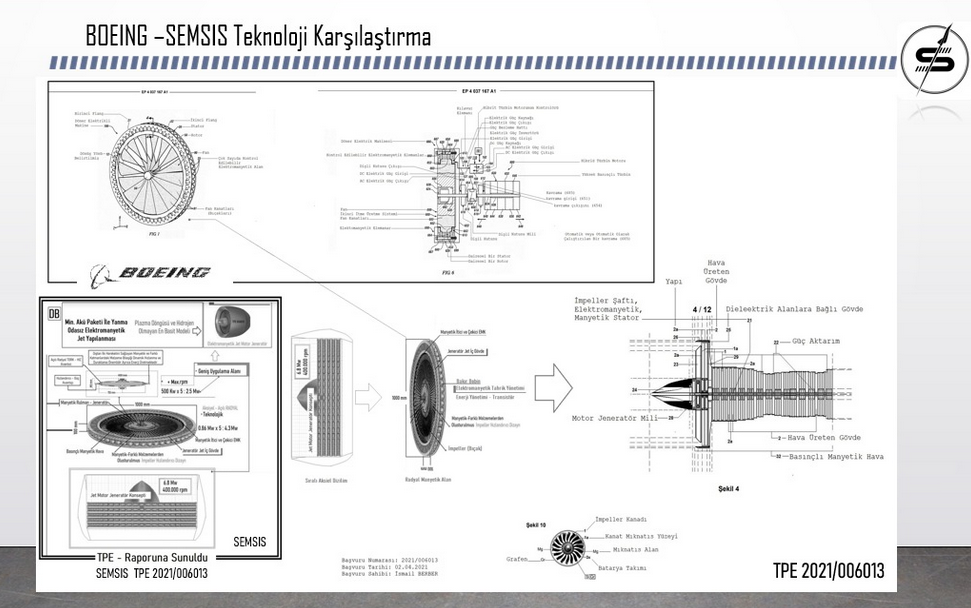
The methods employed include radio-frequency-based, non-ionizing plasma excitation, non-thermal plasma, and selective MHD ionization. It is stated that this approach offers a multilayered engineering solution that goes beyond advanced plasma propulsion studies such as VASIMR.
“How is long-duration flight made possible?”
The claim of long-duration flight is explained by a hybrid architecture based on energy recovery. The electromagnetic-shaft motor-generator structure, energy recovery through the plasma cycle, simultaneous hydrogen production and consumption, and multiple energy storage layers are reported to enable the system to dynamically manage its own energy balance. This approach is assessed as an integrated implementation of regenerative generators and hybrid energy systems currently being developed in the defense and space sectors.
“Patented and under development”
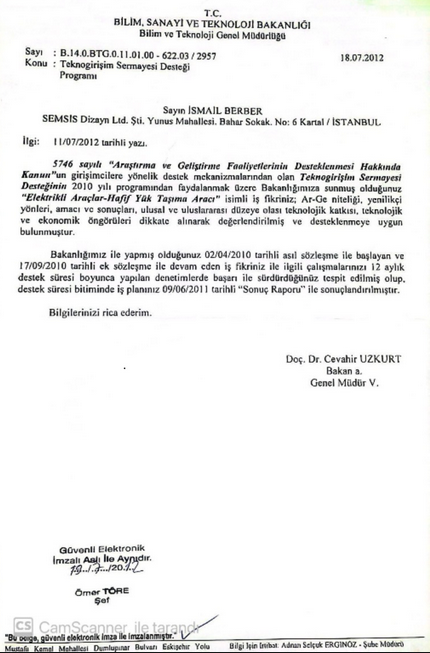
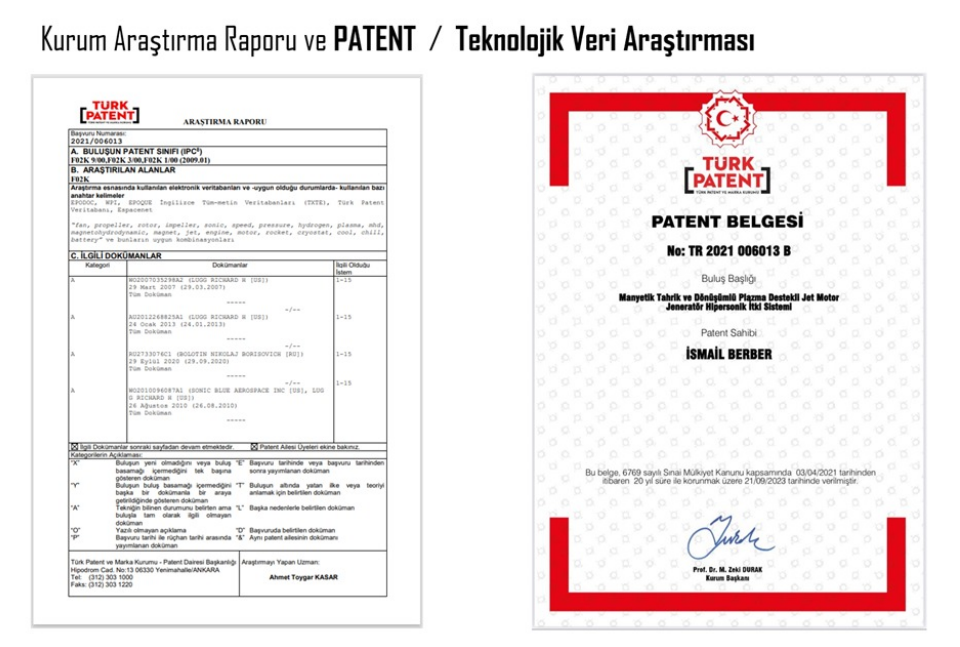
The fact that the technology is not merely a theoretical idea is supported by official documents. The application titled “Plasma-Converted Jet Engine Generator Propulsion System,” filed in the name of İsmail Berber, was registered by the Turkish Patent and Trademark Office in 2021 and converted into a patent. While prototype studies targeting TRL-5 level continue, it has been reported that discussions are being held with universities, defense industry organizations, and international research centers under confidentiality agreements.
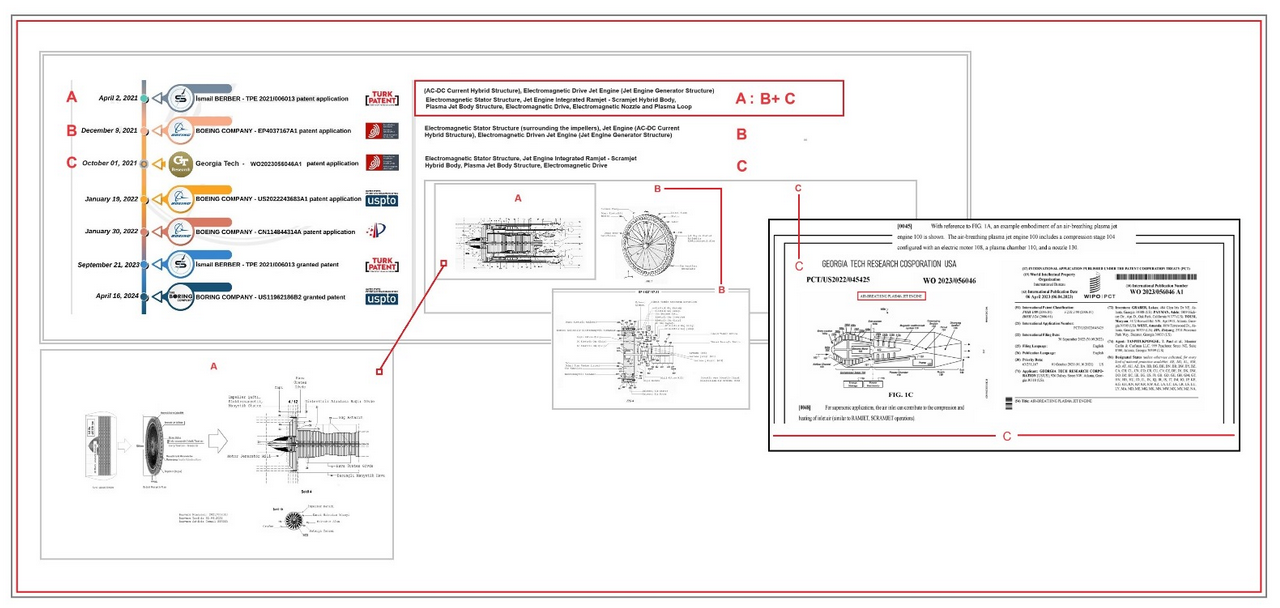
Moreover, the fact that global actors such as Boeing and Georgia Tech have obtained international patent applications and grants in similar fields in recent years shows that this technological direction has become a strategic research area worldwide.
“Not prejudice, but scientific evaluation”
Berber and his team emphasize that criticisms of the technology should be made within the framework of scientific ethics, through literature reviews, patent analyses, and technical comparisons. It is stated that labeling an officially registered work—one that is still in the prototyping phase and has institutional counterparts—as “outside physics” is not scientific criticism but rather prejudice.
Patent applications and publication processes (timeline)
1. April 2, 2021 (A):
Applicant: İsmail BERBER
Patent No/Code: TPE 2021/006013 (Patent Application)
Institution: Turkish Patent and Trademark Office (TÜRKPATENT)
2. December 9, 2021 (B):
Applicant: BOEING COMPANY
Patent No: EP4037167A1 (Patent Application)
Institution: European Patent Office (EPO)
3. October 1, 2021 (C):
Applicant: Georgia Tech
Patent No: WO2023056046A1 (Patent Application)
Institution: WIPO (World Intellectual Property Organization)
4. January 19, 2022:
Applicant: BOEING COMPANY
Patent No: US20222242683A1 (Patent Application)
Institution: USPTO (United States Patent and Trademark Office)
5. January 30, 2022:
Applicant: BOEING COMPANY
Patent No: CN114844314A (Patent Application)
Institution: China National Intellectual Property Administration
6. September 21, 2023:
Applicant: İsmail BERBER
Patent No: TPE 2021/006013 (Granted Patent)
Institution: TÜRKPATENT
7. April 16, 2024:
Applicant: BOEING COMPANY
Patent No: US11962186B2 (Granted Patent)
Institution: USPTO
 Facebook
 Tweeter
 Whatsapp