NASA: 3I/ATLAS may offer clues to ancient cosmic history
Istanbul, December 3 (Hibya) – NASA’s Chief Scientist for small bodies in the solar system, Tom Statler, said that 3I/ATLAS may provide clues about cosmic history predating the formation of both Earth and the Sun.
Scientists say that 3I/ATLAS has likely been traveling through interstellar space for a very long time. Statler said that based on its speed when entering the solar system, indirect evidence indicates that the comet originated from a very old planetary system — possibly older than ours.
“Honestly, just thinking about it gives me goosebumps,” Statler said, noting that 3I/ATLAS may offer insights into cosmic history before Earth and the Sun formed. “This is a new window into the structure and history of other solar systems.”
Statler noted that NASA, after holding a coordinated planning meeting in August, brought together teams from more than 20 missions and launched a fleet-wide campaign to observe the interstellar comet. He compared the effort to watching a baseball game from different seats in a stadium, with both flagship telescopes and smaller spacecraft attempting to follow the same fast-moving target.
“Everyone has a camera and everyone is trying to take a picture of the ball,” he said. “No one has a perfect view, and everyone has a different camera.”
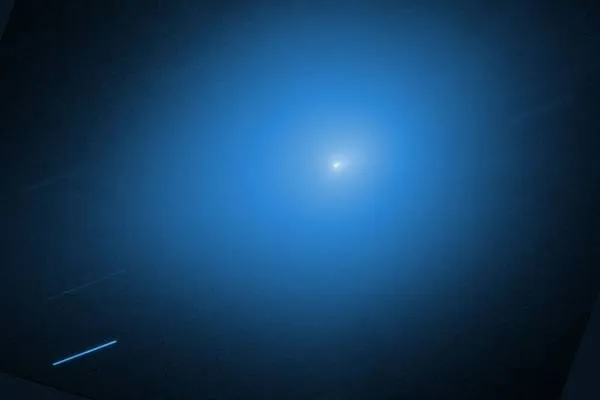
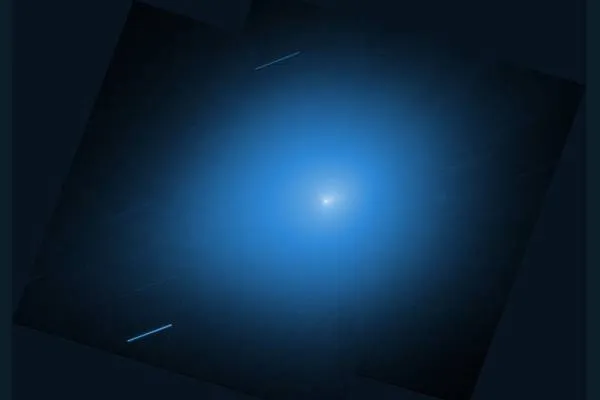
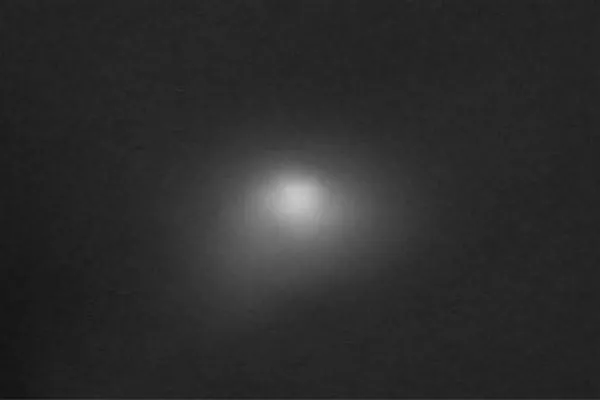
He added that in early October, NASA’s Mars Reconnaissance Orbiter captured images of 3I/ATLAS as a fuzzy white ball, revealing its dust-ice coma from about 90 million miles (145 million km) away. “Around the same time, the MAVEN orbiter detected the comet from 20 million miles (32 million km) through ultraviolet ‘science wiggles’ that captured traces of hydrogen released as sunlight vaporized the comet’s water ice,” Statler said.
Statler emphasized that when combined with data from the Swift telescope and the James Webb Space Telescope (JWST), they were able to estimate the comet’s water-production rate — an important clue to its formation period.
Europe Asia News
 Facebook
 Tweeter
 Whatsapp